
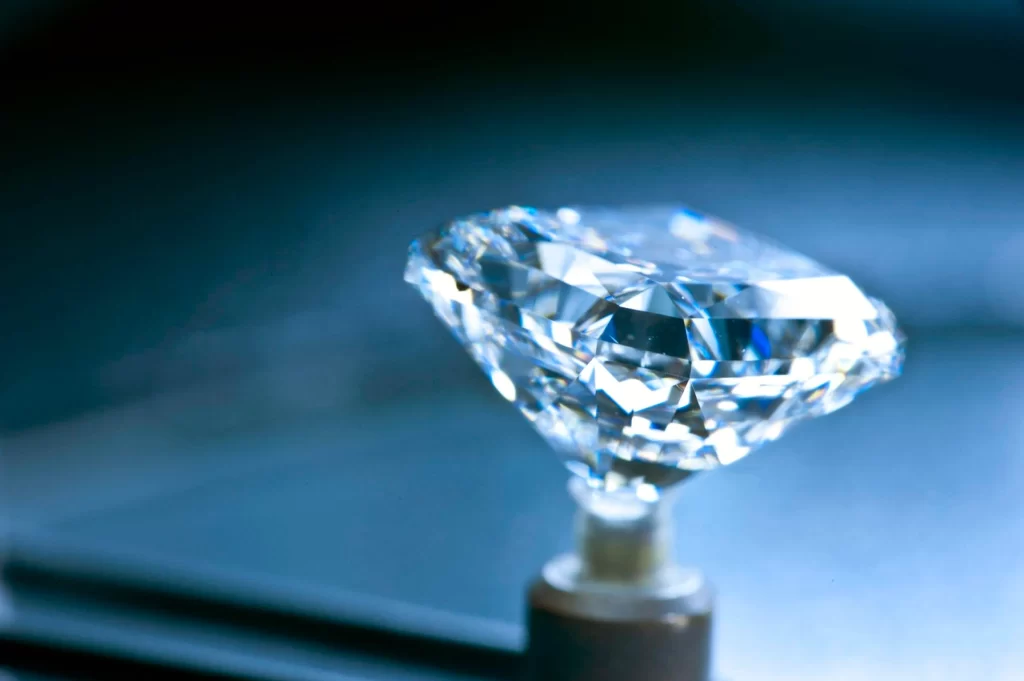
A balanced guide to the differences between lab-grown and natural diamonds for engagement ring and jewellery shoppers.
Lab-grown and natural diamonds now sit side by side in many jewellery conversations, especially for engagement ring shoppers trying to balance budget, appearance and long-term meaning.
For most buyers, the confusion comes from one central question: if the two options can look so similar, what actually matters when you are deciding between them? The answer usually comes down to priorities rather than a simple winner.
Some people care most about getting a larger or higher-specification stone within budget. Others place more value on the rarity or story of a natural diamond. A useful comparison needs to look beyond marketing claims and focus on what the buyer is really trying to achieve.
Key takeaways
- Lab-grown and natural diamonds can be visually similar, but buyers choose between them for different reasons.
- Budget, sentiment, resale expectations and personal values often matter more than technical jargon.
- The right choice depends on what you want the ring to represent and how you want to allocate your budget.
What the two options have in common
Both lab-grown and natural diamonds are real diamonds. They share the same basic material structure and, to most shoppers, they can look identical at a glance. That is why this comparison can feel less straightforward than many people expect.
In practice, the shopping experience can also look similar. You will still compare shape, cut, colour, clarity and overall presentation. The same ring setting may be offered with either option, and both can work beautifully in engagement rings and fine jewellery.
Where the decision usually changes
The difference often appears in how buyers think about value. A lab-grown diamond may allow a buyer to achieve a larger or visually cleaner stone within the same spend. A natural diamond may feel more meaningful to someone who values rarity, geological history or the traditional story associated with a mined stone.
That does not mean one option is automatically smarter. It means the choice becomes personal quite quickly. Someone who wants maximum visual impact for a set budget may lean one way, while someone who wants the ring to feel tied to older diamond traditions may lean the other.
- Budget-conscious shoppers may value the flexibility lab-grown diamonds can offer.
- Some buyers feel more emotionally drawn to natural diamonds.
- Resale and long-term value expectations should be discussed honestly rather than assumed.
How to think about price and priorities
The simplest way to approach price is to ask what you want your budget to do. Are you trying to maximise size? Prioritise design? Put more toward the setting or craftsmanship? Free up budget for a wedding band or custom work? Once you answer that, the diamond choice becomes easier to frame.
It also helps to compare complete rings, not just stones in isolation. A ring can feel better balanced when the stone, setting and metal all work together. Focusing only on one specification may distract from the overall result.
Questions worth asking before you decide
The most useful jeweller conversations are not about trying to win an argument for one side. They are about understanding how each option aligns with your priorities. Ask how your budget changes what is possible, how the ring will look in person and what the jeweller sees buyers choose in similar situations.
You should leave the conversation understanding not only the difference between lab-grown and natural diamonds, but why one option may make more sense for you specifically.
How to compare diamonds more confidently in person
Many buyers understand a topic better once they see real stones or finished rings side by side. That is when the language stops being abstract and starts making sense in visual terms. If you are unsure, ask the jeweller to compare like with like so the difference is easier to read.
The point is not to memorise every technical detail. It is to connect the explanation to what you can actually see and how the final ring will feel in context.
Where shoppers often get stuck
People commonly assume there must be a single technically correct answer. In reality, most diamond decisions are about preference, balance and what matters most within the broader ring design. That is why two buyers can be well informed and still make different choices.
If a comparison starts to feel overwhelming, step back and ask which visual or practical factor matters most to you. That often brings the decision back into focus.
A practical decision framework
Try narrowing the decision in this order: what look you prefer, how the ring should feel overall, how much of the budget should go toward the stone and whether the option still feels right once you see it in a real ring design.
- Choose the visual direction first.
- Compare stones or shapes in a setting context, not isolation alone.
- Use budget as a balancing tool, not the only filter.
Frequently asked questions
Do lab-grown diamonds look fake?
No. They are real diamonds and can look just as polished and beautiful as natural diamonds in finished jewellery.
Is one option always better value?
Not automatically. Better value depends on what you want your budget to achieve and what matters most to you.
Should I decide before I visit a jeweller?
You can narrow your preference first, but it is often useful to compare both options in person before making a final decision.
Does the setting matter just as much as the stone?
In many cases, yes. The setting shapes the overall look and wearability of the finished ring.
What is the best way to compare the two?
Compare complete ring options at a similar overall budget and think about which choice best reflects your priorities.
Compare diamond jewellers with more confidence
Browse Jewellink to compare jewellers and narrow the ring styles that fit your priorities.
Where to go next
Compare jewellers, designers and valuation services across Australia.
Open page Browse custom design studiosUseful when you need bespoke work, remodelling or engagement-ring advice.
Open page View repair and valuation servicesCompare practical aftercare services before you visit a jeweller.
Open pageMore guides to explore
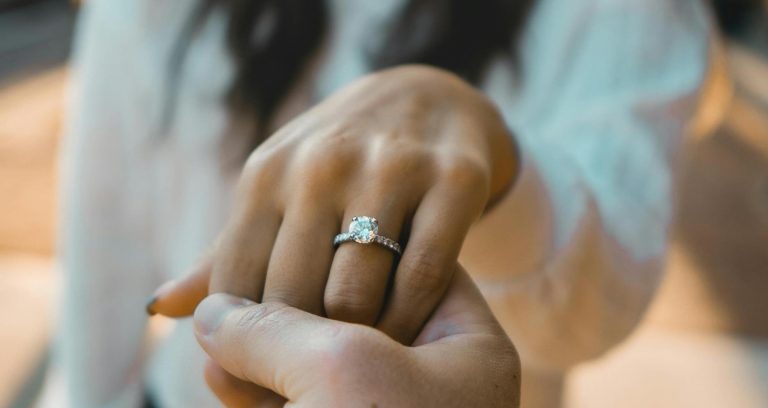
Popular Engagement Ring Styles in Australia
A practical style guide to popular engagement ring designs, wearability and what to compare before buying.
Read guide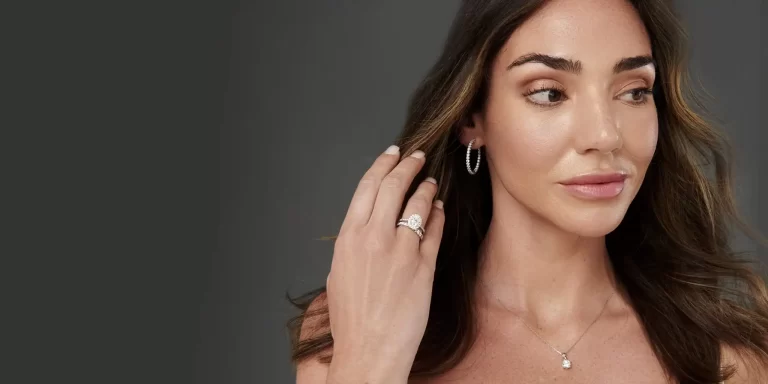
Oval vs Round Diamonds
A practical diamond shape comparison for shoppers choosing between oval and round stones.
Read guide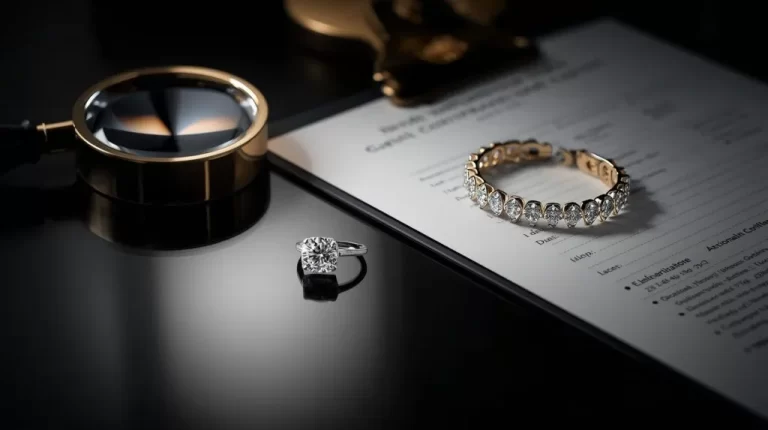
Jewellery Insurance and Valuations Explained
A practical explanation of jewellery insurance, valuation timing and how owners can keep records up to date.
Read guide
Comments
0 comments
Be the first to comment
Share your thoughts, experience or question below.
Leave a comment
Share your thoughts or ask a question. Your email address will not be published.