
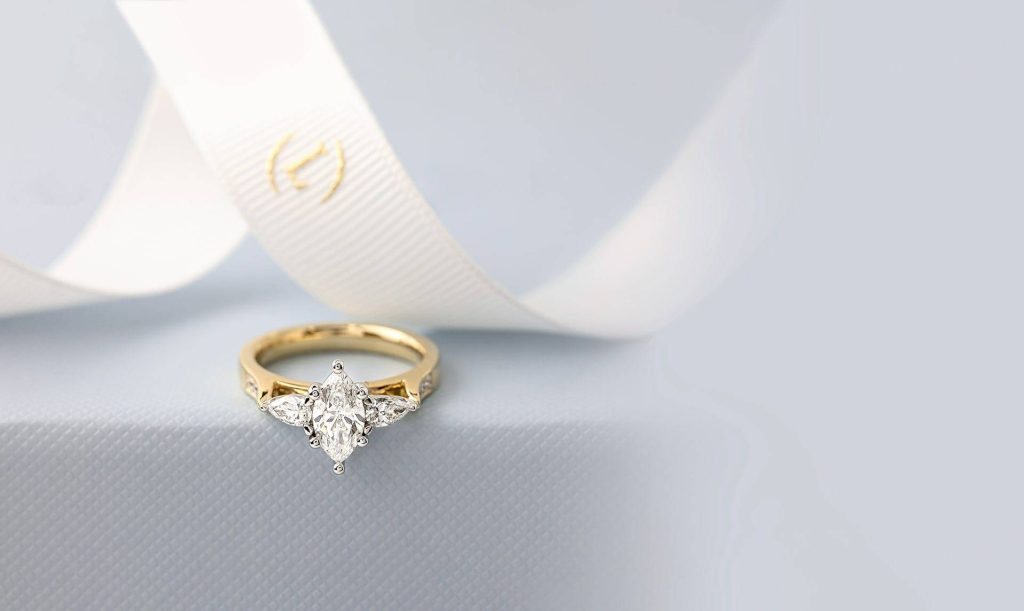
A practical guide to choosing an engagement ring, including style, budget, settings and diamond basics for Australian shoppers.
Choosing an engagement ring can feel bigger than the ring itself. For many people, it is the first time they have compared diamonds, settings, metals and budgets all at once, often while trying to keep the purchase a surprise.
The good news is that you do not need to know everything before you start. What matters most is understanding the handful of decisions that shape the final ring: overall style, daily wear, stone priorities, metal choice and how to compare jewellers with confidence.
If you can answer those questions clearly, the shopping process becomes far less overwhelming. Instead of looking at hundreds of rings with no real framework, you can narrow the field quickly and focus on options that genuinely suit the person who will wear it.
Key takeaways
- Start with lifestyle and style, not diamond specifications alone.
- Set a realistic budget range before comparing rings in earnest.
- Settings, metal choice and wearability matter just as much as the centre stone.
- Ask jewellers clear questions about options, timelines and aftercare before buying.
Start with the wearer, not the product
Before you think about carat weight or band width, think about the person who will actually wear the ring every day. A ring that looks impressive in a box but does not suit their taste or routine will never feel quite right.
If they wear simple jewellery, a very ornate ring may feel out of place. If they work with their hands, a high setting with delicate claws may not be the most practical option. If they love bold pieces, a subtle solitaire may feel a little restrained. Style is personal, but practicality usually narrows the right direction faster than people expect.
- Look at the jewellery they already wear most often.
- Notice whether they prefer yellow gold, white gold, rose gold or mixed metals.
- Think about whether they like classic pieces or more distinctive designs.
- Factor in daily wear, work, exercise and how careful they are with jewellery.
Set a budget that gives you room to compare
Budget is not just about what you can spend. It is also about how you want to balance stone size, quality, setting detail and metal choice. Two rings at a similar price point can feel very different depending on where the money has been allocated.
It helps to work with a range rather than a single number. A range gives you flexibility if one design feels noticeably better made or if a particular shape or setting suits the wearer much more than expected. It also makes it easier to compare jewellers because you can see how each business approaches value within a similar budget band.
Know which ring elements make the biggest difference
Most engagement ring shoppers end up comparing four main things: centre stone, shape, setting and metal. A round diamond in platinum with a fine solitaire setting can feel completely different from an oval stone in yellow gold with a hidden halo, even if both rings fall within a similar spend.
The centre stone draws attention, but the setting controls a surprising amount of the ring’s personality. It affects how prominent the stone looks, how secure it feels, how easily it catches on things and how the ring will pair with a wedding band later.
- Shape affects both look and finger coverage.
- Setting affects style, security and everyday wear.
- Metal affects colour, maintenance and how the ring ages.
- Band width changes the overall feel more than many shoppers expect.
Compare jewellers the right way
Once you have a rough direction, compare jewellers based on clarity, service and confidence, not just the first ring that looks close enough. A good jeweller should be able to explain options without making you feel rushed or under-informed.
Ask to compare a few ring styles side by side. Pay attention to how clearly the jeweller explains differences in shape, setting height, stone appearance, maintenance and lead times. If custom work is involved, ask how revisions, quoting and approvals are handled. The best experience usually comes from a business that helps you make a better decision, not one that simply pushes a single ring.
Finish with a simple shortlist
By the end of the process, try to reduce your options to two or three rings or design directions. At that point, the best question is not “Which is objectively best?” but “Which one feels right for the person, the budget and real everyday wear?”
If a ring still feels right after you compare it against practical concerns like maintenance, pairing with a wedding band and comfort, you are usually close to the right decision. You do not need a perfect ring for everyone. You need the right ring for this person.
Mistakes that make ring shopping harder than it needs to be
One of the most common mistakes is trying to solve every part of the decision at the same time. Buyers often jump from diamond specifications to metal choice to ring setting and then back again without first deciding what the ring should actually feel like overall. That usually makes the process more confusing, not more informed.
It is also easy to assume that the ring with the biggest immediate visual impact must be the strongest choice. In reality, the most successful rings are often the ones that balance style, comfort, durability and long-term wear. A good jeweller helps you see that balance rather than chasing a single headline feature.
- Do not choose a ring based on one specification alone.
- Do not overlook how the ring will sit with a future wedding band.
- Do not rush past questions about maintenance and aftercare.
Questions worth asking before you put down a deposit
Before committing, ask the jeweller how they would describe the ring in practical terms. What type of wearer does it suit? What kind of maintenance should be expected? Are there any trade-offs in the setting or metal choice that may become more noticeable over time?
If the ring is being made, adapted or ordered in, also ask how approvals, lead times and changes are handled. The buying experience should feel clear all the way through, not just during the exciting first conversation.
A simple shortlist checklist
If you are down to a few final options, use a short checklist rather than relying on guesswork. Ask yourself which ring still feels right once the practical details are included. That is usually the quickest path to a confident decision.
- Does the ring suit the wearer’s existing style?
- Will it feel practical for everyday wear?
- Does the design still make sense at your chosen budget?
- Did the jeweller explain the process clearly and confidently?
Frequently asked questions
How much should I know before visiting a jeweller?
You do not need to arrive as an expert. It is enough to have a rough sense of budget, preferred metal colour and whether the wearer leans classic or modern. A good jeweller should help you refine the details.
Is the diamond always the most important part of the ring?
Not always. The setting, metal and overall design affect how the ring looks and feels just as much as the stone in many cases.
Should I choose the biggest stone my budget allows?
Size is only one part of the decision. Many shoppers are happier with a better-balanced ring that suits the wearer’s style and daily life.
How many jewellers should I compare?
Two to four businesses is usually enough to compare service style, design options and price positioning without making the process harder than it needs to be.
What is the best final question to ask before buying?
Ask what the jeweller would recommend for the wearer’s lifestyle and why. Their answer often reveals how well they understand practical long-term wear.
Ready to compare engagement ring jewellers?
Use Jewellink to compare jewellers, designers and specialists before you commit to a ring.
Where to go next
Compare jewellers, designers and valuation services across Australia.
Open page Browse custom design studiosUseful when you need bespoke work, remodelling or engagement-ring advice.
Open page View repair and valuation servicesCompare practical aftercare services before you visit a jeweller.
Open pageMore guides to explore
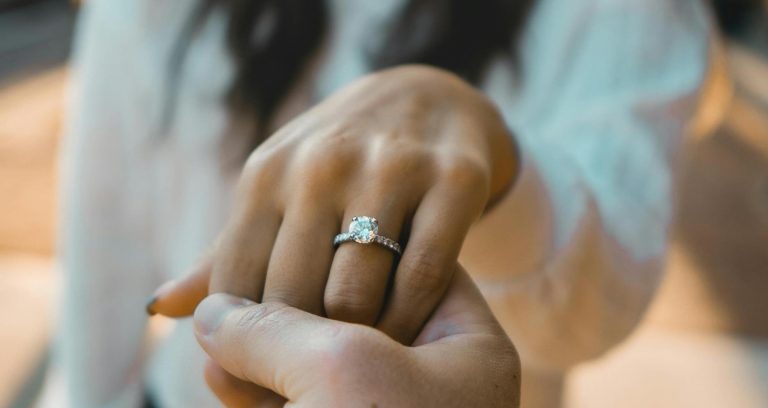
Popular Engagement Ring Styles in Australia
A practical style guide to popular engagement ring designs, wearability and what to compare before buying.
Read guide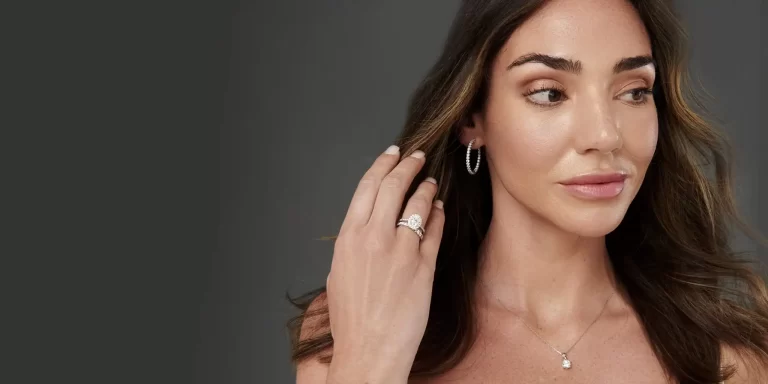
Oval vs Round Diamonds
A practical diamond shape comparison for shoppers choosing between oval and round stones.
Read guide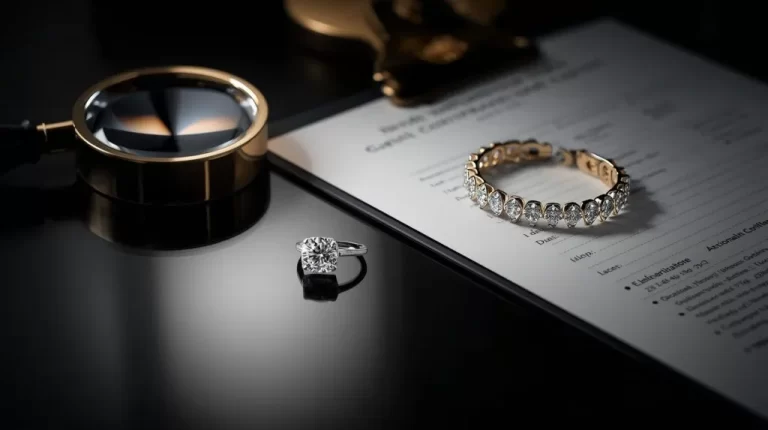
Jewellery Insurance and Valuations Explained
A practical explanation of jewellery insurance, valuation timing and how owners can keep records up to date.
Read guide
Comments
0 comments
Be the first to comment
Share your thoughts, experience or question below.
Leave a comment
Share your thoughts or ask a question. Your email address will not be published.