
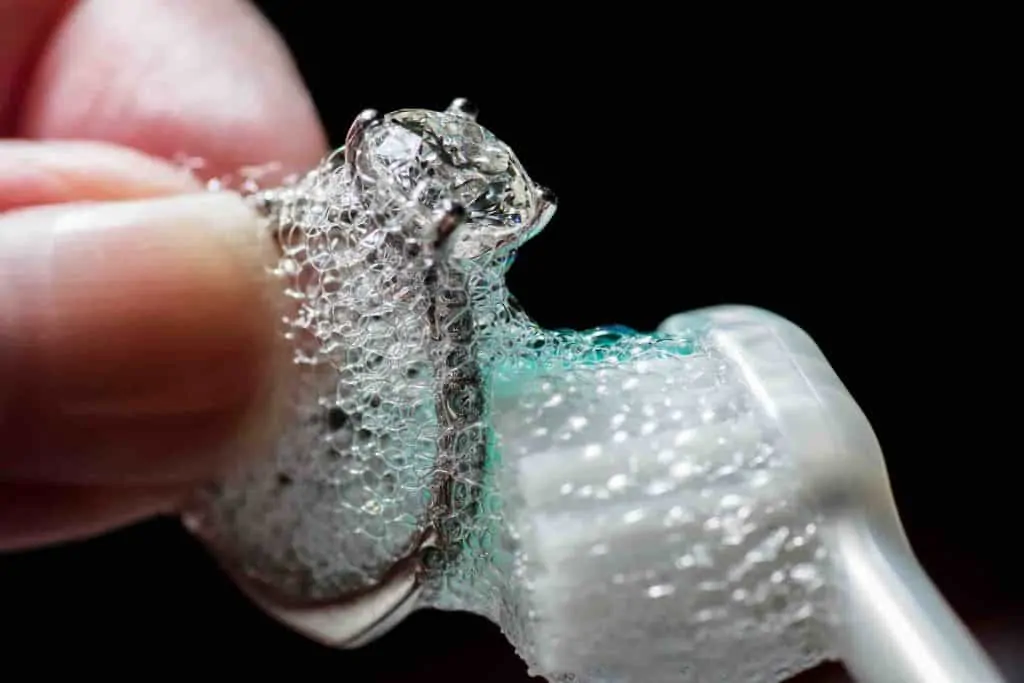
A helpful guide to common jewellery repairs, timing, risk factors and what to ask before leaving a piece with a jeweller.
When jewellery is damaged, people often delay getting help because they are not sure whether the piece can be fixed, how involved the repair might be or whether the cost will be worth it. In many cases, a small issue becomes more expensive simply because it was left too long.
The good news is that many common jewellery problems can be addressed by a skilled jeweller. The more useful question is not just “Can this be repaired?” but “What kind of repair is needed, how urgent is it and what should I ask before handing the piece over?”
Key takeaways
- Many common jewellery issues can be repaired if they are addressed early.
- Cost depends on complexity, materials, labour and whether stone security is involved.
- The best repair conversations focus on timing, risk and whether the piece is worth restoring.
Common repairs jewellers handle
Repair work can range from straightforward fixes to more delicate restoration. Some jobs are largely about function, such as clasp replacement or soldering a broken chain, while others involve protecting a valuable stone or preserving a sentimental piece.
Ring resizing, claw work, chain repair, polishing, clasp repair and stone tightening are all examples of services many jewellers offer. The repair itself may be common, but the right approach depends on the condition of the piece and how it is worn.
- Loose stones and worn claws should be assessed quickly.
- Broken chains, clasps and links are often repairable.
- Ring resizing is common but not every design is equally straightforward.
- Older or sentimental pieces may need a more careful restoration approach.
What usually affects cost
Repair cost is usually influenced by labour, complexity and risk. A simple repair on a plain piece can be very different from repair work on a delicate ring with multiple stones or a design that needs to be taken apart and rebuilt carefully.
Metal type can matter, but so can overall condition. If the problem is caught early, the work is often more straightforward. If the piece has been worn in a compromised state for a while, the jeweller may need to address a wider set of issues during the repair.
When not to wait
Loose stones, sharp claws, splitting bands and unreliable clasps are not problems to put aside for later. Jewellery often gives small warning signs before a bigger failure happens, and those warnings are worth taking seriously.
The aim is not to create panic. It is to recognise that a preventative repair can be far simpler than dealing with a lost stone or a ring that has broken completely.
Questions to ask before leaving a piece for repair
Repair work is easier to feel confident about when the jeweller explains the job clearly. Ask what the repair involves, whether any risks or limits should be expected and whether there are different repair options depending on budget or long-term wear.
It is also sensible to ask about timing, whether the piece may need additional work once inspected closely and what kind of result is realistic. Clarity matters more than being told only what you want to hear.
What to bring to the appointment
If you are booking a repair or valuation appointment, it helps to arrive with a clear sense of the problem and any background that matters. That may include when the issue started, whether the piece has been repaired before or whether it has sentimental or insurance significance.
Even a short explanation can help the jeweller understand what matters most to you. Are you hoping for a simple practical fix, a careful restoration or just honest guidance on whether the piece is worth repairing at all?
Why a quick fix is not always the right fix
Some jewellery jobs look simple on the surface but reveal other concerns once properly examined. That is not a bad sign. It is often exactly what a careful specialist should identify before promising a result.
If a jeweller explains that a more measured approach is needed, that can actually be reassuring. Good repair work is usually about preserving the piece, not rushing it back out the door.
How to compare service providers more clearly
The strongest comparison point is often how clearly the service is explained. You want to understand the work, the likely timeline, any limitations and what outcome is realistic before the job begins.
- Ask what the service includes.
- Ask whether any risks or limitations should be expected.
- Ask what the jeweller would recommend if the piece were their own.
Frequently asked questions
Can most jewellery be repaired?
Many common issues can be repaired, but the best approach depends on the piece, its condition and whether the repair is worthwhile in the long term.
Should I repair a sentimental piece even if it is delicate?
Often yes, but it is worth asking whether the goal is full restoration, occasional wear or preserving the piece safely.
Why do costs vary so much between repairs?
Repair cost reflects labour, risk, complexity, metal type and whether stones or structural work are involved.
What is the most urgent type of repair?
Anything involving a loose stone or failing setting should be checked quickly to reduce the risk of loss.
How do I compare repair specialists?
Look for clear explanations, realistic expectations and confidence in the jeweller’s process rather than a rushed or vague quote.
Need a repair specialist?
Search Jewellink to compare jewellery repair businesses before you book the work in.
Where to go next
Compare jewellers, designers and valuation services across Australia.
Open page Browse custom design studiosUseful when you need bespoke work, remodelling or engagement-ring advice.
Open page View repair and valuation servicesCompare practical aftercare services before you visit a jeweller.
Open pageMore guides to explore
Jewellery Insurance and Valuations Explained
A practical explanation of jewellery insurance, valuation timing and how owners can keep records up to date.
Read guide
Jewellery Repairs in Brisbane: What to Look For
A Brisbane-focused guide to choosing a jewellery repair specialist and knowing what matters before you book.
Read guide
How to Spot a Reputable Jeweller
A confidence-building guide to choosing a jeweller for buying, repairs, valuations or custom work.
Read guide
Comments
0 comments
Be the first to comment
Share your thoughts, experience or question below.
Leave a comment
Share your thoughts or ask a question. Your email address will not be published.